
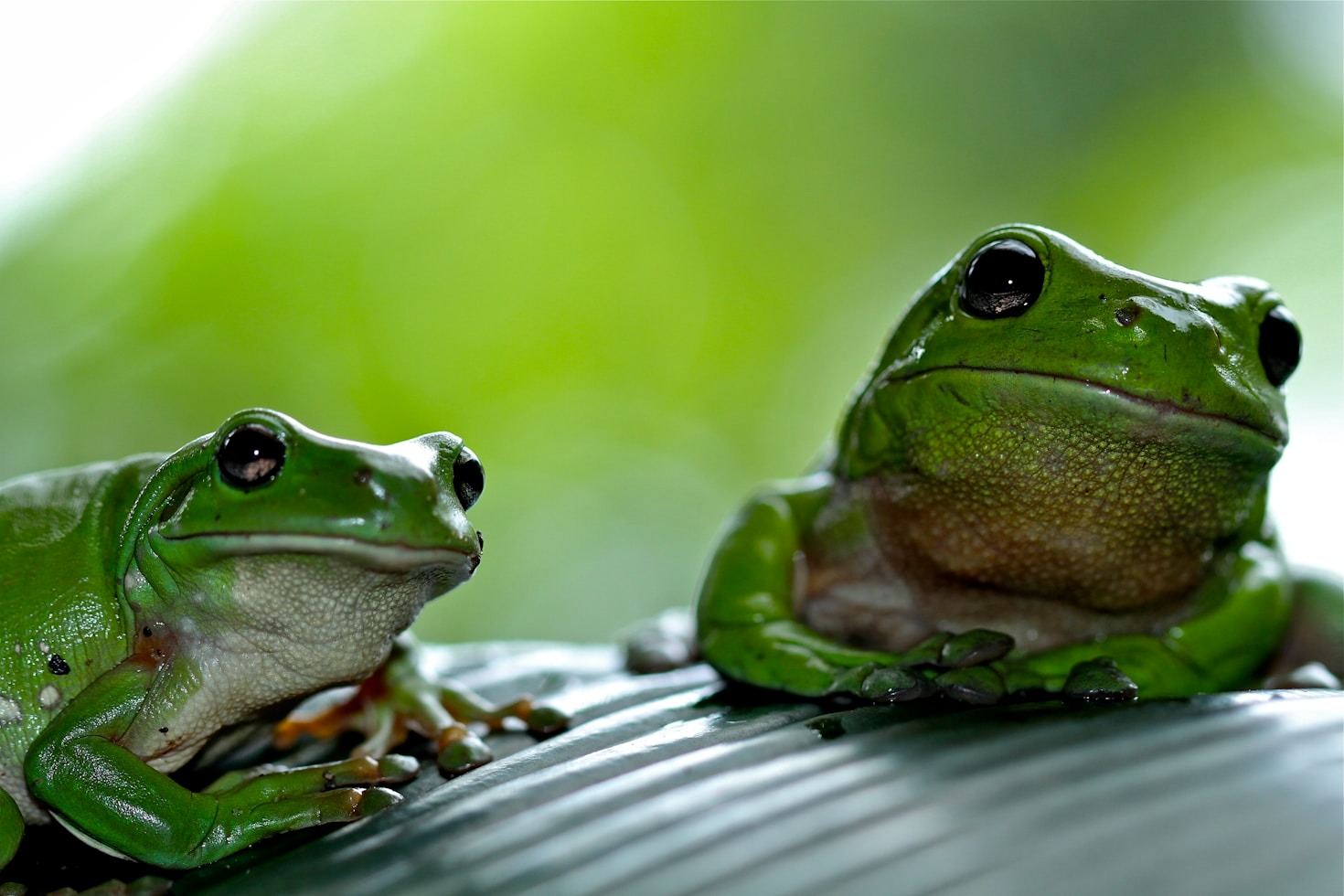
How Frogs Survive, Thrive, and Evolve in Every Environment
Frogs are some of the most fascinating and adaptable creatures on Earth. Found on every continent except Antarctica, these small amphibians have evolved a remarkable set of features that allow them to survive in a wide range of environments—from tropical rainforests and wetlands to deserts and even freezing climates.
What makes frogs truly extraordinary is not just where they live, but how they live. Every part of their body—from their skin to their legs, eyes, and behavior—has been shaped by evolution to maximize survival.
In this in-depth guide, we explore the amazing adaptations of frogs in nature, revealing why these creatures are essential to ecosystems and what they can teach us about resilience, balance, and survival.
🌿 1. Skin That Breathes and Protects
One of the most unique adaptations of frogs is their skin.
Unlike humans and most animals, frogs can breathe through their skin, a process known as cutaneous respiration. Their skin is thin, moist, and highly permeable, allowing oxygen to pass directly into the bloodstream.
Key Functions of Frog Skin:
- Absorbs oxygen and releases carbon dioxide
- Helps regulate hydration
- Provides camouflage and protection
- Secretes toxins in some species
This adaptation allows frogs to:
- Stay underwater for long periods
- Remain motionless to avoid predators
- Survive in both aquatic and terrestrial environments
However, this also makes them extremely sensitive to pollution, toxins, and environmental changes—making frogs important bioindicators of ecosystem health.
👁️ 2. Eyes Designed for Awareness and Survival
Frogs have highly specialized eyes that give them a major advantage in the wild.
Their large, bulging eyes provide a wide field of vision, allowing them to detect predators and prey from almost every direction. Positioned high on their heads, their eyes enable frogs to stay mostly submerged in water while still seeing above the surface.
Unique Eye Adaptations:
- Near 360-degree vision
- Excellent motion detection
- Night vision capabilities in many species
- Transparent membrane for underwater protection
A Surprising Function:
Frogs use their eyes to help swallow food. When they blink, their eyes push downward into their skull, helping force food into their throat.
🦵 3. Powerful Hind Legs for Jumping and Escape
Frogs are known for their incredible jumping ability—and for good reason.
Their long, muscular hind legs are built for explosive power, allowing them to leap many times their body length in a single jump.
Benefits of This Adaptation:
- Escape predators quickly
- Travel efficiently through uneven terrain
- Catch fast-moving prey
Some species, like tree frogs, have evolved legs adapted for climbing, while aquatic frogs have webbed feet for powerful swimming.
👅 4. Lightning-Fast Sticky Tongues
Frogs are ambush predators, and their tongues are one of their most effective tools.
Their tongues are:
- Attached at the front of the mouth
- Extremely flexible
- Covered in sticky saliva
How it works:
When prey comes close, the frog launches its tongue outward at incredible speed—faster than a human blink—grabbing insects and pulling them back instantly.
This adaptation allows frogs to:
- Conserve energy
- Hunt efficiently
- Capture fast-moving prey like flies and mosquitoes
🎨 5. Camouflage and Color Adaptation
Frogs have evolved a wide range of colors and patterns to help them survive.
Camouflage:
Many frogs blend seamlessly into their environments:
- Green frogs match leaves and vegetation
- Brown frogs blend into mud and forest floors
- Tree frogs mimic bark and moss
Warning Colors:
Some frogs, like poison dart frogs, use bright colors (red, blue, yellow) to warn predators that they are toxic.
This is known as aposematic coloration—a powerful survival strategy.
🧊 6. Extreme Survival: Freezing and Drought Adaptations
Some frogs can survive in conditions that would be deadly to most animals.
Freezing Frogs:
Species like the wood frog can:
- Freeze solid during winter
- Stop their heartbeat and breathing
- Thaw and return to life in spring
They produce special chemicals that protect their cells from damage.
Desert Frogs:
Other species survive drought by:
- Burrowing underground
- Entering a dormant state (estivation)
- Waiting months or even years for rain
🔊 7. Communication Through Sound
Frogs are famous for their croaking—but these sounds serve an important purpose.
Male frogs use vocal sacs to produce calls that:
- Attract mates
- Establish territory
- Warn rivals
Each species has its own unique call, and in some environments, entire ponds can become a chorus of frog communication.
🌍 8. Dual Life Cycle (Metamorphosis)
Frogs undergo one of nature’s most fascinating transformations.
Life Cycle Stages:
- Egg
- Tadpole (aquatic, gill-breathing)
- Froglet (developing legs, losing tail)
- Adult frog (air-breathing, land + water)
This dual-life adaptation allows frogs to:
- Use different habitats during different life stages
- Reduce competition for food
- Increase survival rates
⚠️ Why These Adaptations Matter
Frogs are more than just interesting animals—they are critical to the health of ecosystems.
They:
- Control insect populations
- Serve as food for other animals
- Indicate environmental health
Unfortunately, frog populations worldwide are declining due to:
- Habitat destruction
- Pollution
- Climate change
- Disease
Because of their sensitive adaptations, frogs are often the first to be affected—making them a warning sign for larger environmental issues.
🌱 What Humans Can Learn from Frogs
Frogs teach us powerful lessons about life and nature:
- Adaptability is key to survival
- Small changes can have big impacts
- Balance in ecosystems is essential
- Sensitivity can be a strength, not a weakness
They remind us that even the smallest creatures play a vital role in the world.
🐸 Final Thoughts
The amazing adaptations of frogs are a testament to the power of evolution and the complexity of nature. From breathing through their skin to surviving extreme environments, frogs are masters of survival.
By understanding and protecting frogs, we are also protecting the delicate balance of life on Earth.
Because when frogs thrive…
🌍 Nature thrives.
Leave a Reply